
How Red Light Therapy Helps Your Body Repair, Recharge, and Rest Naturally
If you’re like most people today, you probably feel like you’re running on half a battery more often than you would like. Between work, family responsibilities, late-night scrolling, and the general busyness of life, quality sleep and reliable recovery can feel hard to come by. You may wake up tired, feel sluggish throughout the day, or notice that your muscles take longer to bounce back after exercise.
Supplements, caffeine, or sleep gadgets can provide short-term boosts, but many people are now searching for natural solutions that work with the body instead of masking symptoms. This is where red light therapy is gaining attention. Once used mostly by athletes, trainers, and dermatologists, it has become one of the most talked-about technologies for improving sleep and speeding up recovery.
This blog breaks down what red light therapy is, how it works, and why science suggests it may improve your overall sleep quality and recovery time.
What Is Red Light Therapy?
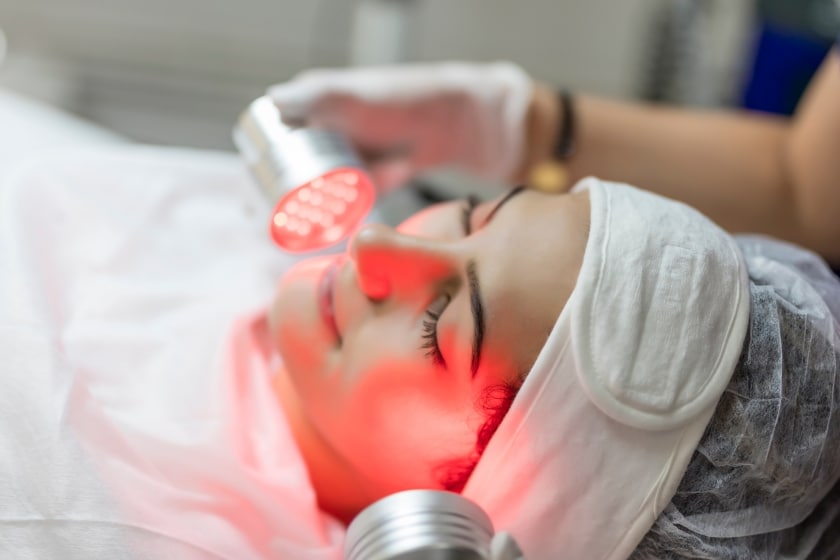
Red light therapy is a non-invasive treatment that uses specific wavelengths of red and near-infrared light to support cellular health. It is also known as low-level laser therapy or photo biomodulation. Unlike ultraviolet light, which can damage the skin, red and near-infrared wavelengths are gentle, safe, and naturally absorbed by the body.
When red light enters the skin, it interacts with the mitochondria inside your cells. Mitochondria are responsible for producing cellular energy known as ATP. When they absorb red light, they become more efficient at producing ATP. Better energy production means better repair, less inflammation, and improved function throughout the body.
Many people describe red light therapy sessions as relaxing. The light feels warm, soothing, and calming, and most treatments last 10 to 20 minutes.
From a scientific perspective, red light therapy supports the body’s natural ability to heal and repair, which is why it has become popular for sleep, athletic recovery, joint pain, skin health, and general wellness.
How Red Light Therapy Improves Sleep
Sleep problems are incredibly common today. Stress, blue-light exposure, inconsistent schedules, and lifestyle habits all disrupt the body’s natural sleep cycle. Red light therapy helps address several of the root causes that get in the way of quality rest.
1. It helps regulate your circadian rhythm
Your circadian rhythm is your internal clock that determines when you feel alert and when you feel tired. Too much blue light at night tells your brain that it is daytime, even when it is not. This delays the release of melatonin, the hormone that prepares your body for sleep.
Red light does the opposite because it does not signal “daytime.” In fact, red wavelengths help cue the brain that it is safe to wind down. Research shows that red light exposure in the evening supports a more natural circadian rhythm, allowing you to fall asleep more easily.
2. It supports melatonin production
Melatonin production naturally increases when the brain senses darkness and relaxes the nervous system. Red light therapy supports this process by reducing nighttime cortisol and stimulating melatonin release. Higher melatonin levels help create deeper and more restorative sleep cycles.
3. It calms the nervous system
Many people who struggle with sleep have a nervous system stuck in a state of alertness. Red light therapy helps activate the parasympathetic nervous system, which is responsible for rest and relaxation. When your nervous system feels safe, sleep comes more naturally.
4. It reduces nighttime inflammation and discomfort
Pain, inflammation, and muscle tension can all make it hard to fall asleep or stay asleep. Red light therapy reduces inflammation at the cellular level, helping your muscles and joints relax. This makes it easier to get comfortable and stay asleep throughout the night.
How Red Light Therapy Speeds Up Recovery
If you exercise regularly or experience chronic soreness, you probably know how frustrating slow recovery can be. Red light therapy is frequently used by athletes because it helps the body repair faster and more effectively.
Here is how it works.
1. It increases ATP production for faster cellular repair
ATP is your body’s energy currency. Recovery depends heavily on how quickly your cells can repair damaged tissue. Red light therapy increases ATP production, giving your muscles and joints the energy they need to rebuild faster.
2. It reduces inflammation and swelling
Inflammation is normal after physical stress, but too much inflammation slows the recovery process. Red light therapy reduces oxidative stress and inflammatory markers, helping your body move through the healing process more efficiently.
3. It improves blood flow and circulation
Better circulation means more oxygen and nutrients reach the muscles, which speeds up repair. Increased blood flow also helps remove waste products that build up during exercise and contribute to soreness.
4. It reduces muscle soreness
Delayed onset muscle soreness, or DOMS, can make even simple movements uncomfortable. Studies show that red light therapy reduces the severity and duration of DOMS by supporting the repair process and reducing inflammation.
5. It supports joint health
Many people experience joint stiffness after workouts or long days. Red light therapy works on tendons, ligaments, and cartilage just as effectively as muscles. This can support long-term joint health and reduce recovery-related discomfort.
Additional Benefits of Red Light Therapy
Although sleep and recovery are the main focus here, red light therapy offers several additional advantages that contribute to overall wellness.
Skin health and anti-aging
Red light stimulates collagen production, reduces fine lines, improves elasticity, and supports a clearer complexion.
Mood and mental health support
Better sleep combined with the calming effects of red light therapy often leads to improved mood, reduced stress, and better emotional regulation.
Immune system support
By reducing inflammation and improving cellular energy, red light therapy supports immune function and overall resilience.
How Often Should You Use Red Light Therapy?
Most people benefit from using red light therapy three to five times per week. Consistency is more important than intensity. The benefits accumulate over time because red light supports cellular changes, not quick fixes.
For sleep, many people prefer using red light therapy in the evening to help the body unwind.
For recovery, sessions can be used before or after workouts depending on the goal.
Always follow the guidelines of your specific device or provider to ensure proper safety and effectiveness.
Who Should Consider Red Light Therapy?
Red light therapy is ideal for people who want to improve sleep, reduce muscle soreness, or speed up recovery without medications or invasive treatments. It is also a great option for:
People with chronic stress
People who work late or spend a lot of time in front of screens
Athletes and active individuals
People with joint pain or inflammation
Anyone wanting a natural approach to better health and wellness
Because red light therapy is gentle and non-invasive, most people tolerate it very well. It is often used in combination with physical therapy, chiropractic care, massage, or fitness training.
Choosing the Right Red Light Therapy Option
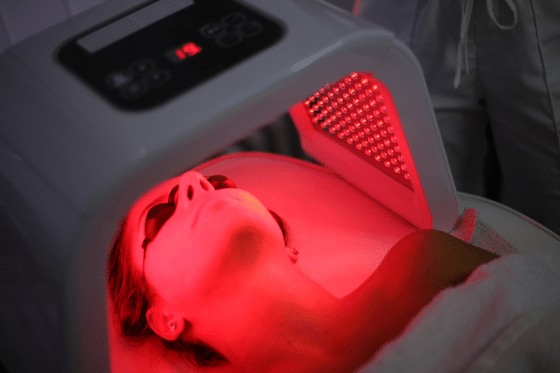
Red light therapy is available through clinics, wellness centers, gyms, or home-use devices. Here are a few things to consider:
Treatment size. Larger panels deliver more coverage in less time.
Wavelengths. Look for 630 to 660 nm for red light and 810 to 850 nm for near-infrared light.
Certifications. Ensure the device meets safety standards and provides accurate wavelengths.
Treatment time. Most sessions last 10 to 20 minutes.
If you prefer professional treatment, many clinics offer full-body red light therapy for both sleep improvement and recovery benefits.
Take the Next Step –
If inflammation has been holding you back, there’s a way forward. Gentle treatments like red light therapy can help your body recover and feel more at ease again.
At Oklahoma Hand & Physical Therapy, we’re here to guide you with care, compassion, and the latest evidence-based tools. You don’t have to live with constant stiffness or swelling. Relief might be closer than you think.
Call us today at (918) 645-3143 to learn more or schedule a consultation.
Let’s help you move freely again—one light at a time.
Final Thoughts
Red light therapy is one of the simplest and most natural ways to support better sleep and faster recovery. By improving cellular energy, reducing inflammation, calming the nervous system, and enhancing circulation, it helps your body heal more efficiently and rest more deeply.
If you struggle with feeling tired, sore, or mentally drained, red light therapy may be the missing link in your wellness routine. It is gentle, safe, and backed by growing research showing its effectiveness for overall health.
Better sleep and stronger recovery are not luxuries. They are essential for feeling your best. And red light therapy offers a powerful way to help you get there.
